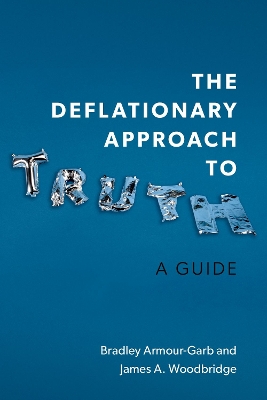
Deflationary Approach to Truth
 -10%
portes grátis
-10%
portes grátis
Deflationary Approach to Truth
A Guide
Armour-Garb, Bradley; Woodbridge, James A.
Oxford University Press Inc
03/2026
360
Mole
Inglês
9780197577400
15 a 20 dias
Descrição não disponível.
PART 1: WHAT DEFLATIONISM IS
1. Framing the General Approach
1.1 Deflationism vs. Inflationism
1.2 The Dimensions of Deflationism
1.3 On the Instability of "Partial Deflationism"
1.4 Motivations and Methodological Disputes
2. Early and Proto-Deflationary Accounts
2.1 Frege on Truth
2.2 Ramsey and the Redundancy Theory
2.3 Ayer on 'True'
2.4 Wittgenstein on Truth-Talk
2.5 Strawson on What We Do with Truth-Talk
2.6 Tarski and the (T)-Schema
3. The Species of Deflationism
3.1 Prosententialism
3.1.1 Prior's Adverbial Prosententialism
3.1.2 Williams's Substitutional Prosententialism
3.1.3 Grover, Camp, and Belnap's Atomic Prosententialism
3.1.4 Brandom's Operator Prosententialism
3.2 Disquotationalism
3.2.1 Quine's Disquotationalism
3.2.2 Leeds's Recursive Disquotationalism
3.2.3 Field's Pure Disquotational Truth
3.3 Minimalism
3.3.1 Horwich's Minimalism
3.3.2 Hill's Substitutional Minimalism
PART 2. CHALLENGES TO DEFLATIONISM
4. Challenges to Linguistic Deflationism
4.1 Immanence and Limitations on Truth-Ascriptions
4.1.1 Immanence and Deflationism
4.1.2 Immanence, Foreign Sentences, Sentences Speakers Do Not Understand
4.2 The Formulation and Generalization Problems
4.2.1 The Formulation Problem
4.2.2 Understanding the Generalization Problem
4.2.3 Justifying Generalizations vs. Proving Generalizations
4.2.4 Field and Hill on Proving Generalizations
5. Challenges to Metaphysical Deflationism
5.1 The Causal-Explanatory Role Challenge
5.1.1 Explaining the Success of Science
5.1.2 Explaining Behavioral Success
5.2 The Conservativeness Argument
5.2.1 Explaining the Conservativeness Argument
5.2.2 Responses to the Conservativeness Argument
5.2.3 Consequences of the Conservativeness Argument
5.3 The Correspondence Intuition, Truthmaking, and the Truth Property Thesis
5.3.1 From the Correspondence Intuition to Truth-Maker Theory
5.3.2 The Truth-Property Thesis
5.4 The Challenge from Normativity
6. Challenges to Conceptual Deflationism
6.1 "Truth-Involving" Accounts That Deflationists Can Accept
6.2 "Truth-Involving" Accounts That Deflationists Must Replace
6.3 Deflationism and Theories of Meaning/Content
7. Formal Challenges and Paradox Treatment Deflationism
7.1 Constraints on an Adequate Resolution of the Liar Paradox
7.1.1 General Constraints on Adequate Paradox Treatment
7.1.2 Constraints for Paradox Treatment Deflationism
7.2 Tarski's Replacement Theory and the Liar Paradox
7.3 Kripke and Ungroundedness
7.4 Field on the 'Determinately' Operator
7.5 Grover and Semantic Inheritors
7.6 Horwich's Semantic Epistemicism
7.7 Deflationary Dialetheism
7.8 Deflationism, the Paradoxes, and Concluding Remarks
Appendix: New Directions via Sentential-Variable Deflationism and Alethic Fictionalism
A.1 ASVD and the "How-Talk" NLI Approach
A.2 The Merits of ASVD
A.2.1 Avoiding the Formulation and Generalization Problems
A.2.2 Emergence and Resolution of the Liar Paradox
A.2.3 ASVD and the Conservativeness Argument
A.2.4 Why Have a Truth Predicate?
A.3 From ASVD to Alethic Fictionalism
A.4 Conclusions: Accommodating Broad Four-Dimensional Deflationism
Bibliography
index
1. Framing the General Approach
1.1 Deflationism vs. Inflationism
1.2 The Dimensions of Deflationism
1.3 On the Instability of "Partial Deflationism"
1.4 Motivations and Methodological Disputes
2. Early and Proto-Deflationary Accounts
2.1 Frege on Truth
2.2 Ramsey and the Redundancy Theory
2.3 Ayer on 'True'
2.4 Wittgenstein on Truth-Talk
2.5 Strawson on What We Do with Truth-Talk
2.6 Tarski and the (T)-Schema
3. The Species of Deflationism
3.1 Prosententialism
3.1.1 Prior's Adverbial Prosententialism
3.1.2 Williams's Substitutional Prosententialism
3.1.3 Grover, Camp, and Belnap's Atomic Prosententialism
3.1.4 Brandom's Operator Prosententialism
3.2 Disquotationalism
3.2.1 Quine's Disquotationalism
3.2.2 Leeds's Recursive Disquotationalism
3.2.3 Field's Pure Disquotational Truth
3.3 Minimalism
3.3.1 Horwich's Minimalism
3.3.2 Hill's Substitutional Minimalism
PART 2. CHALLENGES TO DEFLATIONISM
4. Challenges to Linguistic Deflationism
4.1 Immanence and Limitations on Truth-Ascriptions
4.1.1 Immanence and Deflationism
4.1.2 Immanence, Foreign Sentences, Sentences Speakers Do Not Understand
4.2 The Formulation and Generalization Problems
4.2.1 The Formulation Problem
4.2.2 Understanding the Generalization Problem
4.2.3 Justifying Generalizations vs. Proving Generalizations
4.2.4 Field and Hill on Proving Generalizations
5. Challenges to Metaphysical Deflationism
5.1 The Causal-Explanatory Role Challenge
5.1.1 Explaining the Success of Science
5.1.2 Explaining Behavioral Success
5.2 The Conservativeness Argument
5.2.1 Explaining the Conservativeness Argument
5.2.2 Responses to the Conservativeness Argument
5.2.3 Consequences of the Conservativeness Argument
5.3 The Correspondence Intuition, Truthmaking, and the Truth Property Thesis
5.3.1 From the Correspondence Intuition to Truth-Maker Theory
5.3.2 The Truth-Property Thesis
5.4 The Challenge from Normativity
6. Challenges to Conceptual Deflationism
6.1 "Truth-Involving" Accounts That Deflationists Can Accept
6.2 "Truth-Involving" Accounts That Deflationists Must Replace
6.3 Deflationism and Theories of Meaning/Content
7. Formal Challenges and Paradox Treatment Deflationism
7.1 Constraints on an Adequate Resolution of the Liar Paradox
7.1.1 General Constraints on Adequate Paradox Treatment
7.1.2 Constraints for Paradox Treatment Deflationism
7.2 Tarski's Replacement Theory and the Liar Paradox
7.3 Kripke and Ungroundedness
7.4 Field on the 'Determinately' Operator
7.5 Grover and Semantic Inheritors
7.6 Horwich's Semantic Epistemicism
7.7 Deflationary Dialetheism
7.8 Deflationism, the Paradoxes, and Concluding Remarks
Appendix: New Directions via Sentential-Variable Deflationism and Alethic Fictionalism
A.1 ASVD and the "How-Talk" NLI Approach
A.2 The Merits of ASVD
A.2.1 Avoiding the Formulation and Generalization Problems
A.2.2 Emergence and Resolution of the Liar Paradox
A.2.3 ASVD and the Conservativeness Argument
A.2.4 Why Have a Truth Predicate?
A.3 From ASVD to Alethic Fictionalism
A.4 Conclusions: Accommodating Broad Four-Dimensional Deflationism
Bibliography
index
Este título pertence ao(s) assunto(s) indicados(s). Para ver outros títulos clique no assunto desejado.
PART 1: WHAT DEFLATIONISM IS
1. Framing the General Approach
1.1 Deflationism vs. Inflationism
1.2 The Dimensions of Deflationism
1.3 On the Instability of "Partial Deflationism"
1.4 Motivations and Methodological Disputes
2. Early and Proto-Deflationary Accounts
2.1 Frege on Truth
2.2 Ramsey and the Redundancy Theory
2.3 Ayer on 'True'
2.4 Wittgenstein on Truth-Talk
2.5 Strawson on What We Do with Truth-Talk
2.6 Tarski and the (T)-Schema
3. The Species of Deflationism
3.1 Prosententialism
3.1.1 Prior's Adverbial Prosententialism
3.1.2 Williams's Substitutional Prosententialism
3.1.3 Grover, Camp, and Belnap's Atomic Prosententialism
3.1.4 Brandom's Operator Prosententialism
3.2 Disquotationalism
3.2.1 Quine's Disquotationalism
3.2.2 Leeds's Recursive Disquotationalism
3.2.3 Field's Pure Disquotational Truth
3.3 Minimalism
3.3.1 Horwich's Minimalism
3.3.2 Hill's Substitutional Minimalism
PART 2. CHALLENGES TO DEFLATIONISM
4. Challenges to Linguistic Deflationism
4.1 Immanence and Limitations on Truth-Ascriptions
4.1.1 Immanence and Deflationism
4.1.2 Immanence, Foreign Sentences, Sentences Speakers Do Not Understand
4.2 The Formulation and Generalization Problems
4.2.1 The Formulation Problem
4.2.2 Understanding the Generalization Problem
4.2.3 Justifying Generalizations vs. Proving Generalizations
4.2.4 Field and Hill on Proving Generalizations
5. Challenges to Metaphysical Deflationism
5.1 The Causal-Explanatory Role Challenge
5.1.1 Explaining the Success of Science
5.1.2 Explaining Behavioral Success
5.2 The Conservativeness Argument
5.2.1 Explaining the Conservativeness Argument
5.2.2 Responses to the Conservativeness Argument
5.2.3 Consequences of the Conservativeness Argument
5.3 The Correspondence Intuition, Truthmaking, and the Truth Property Thesis
5.3.1 From the Correspondence Intuition to Truth-Maker Theory
5.3.2 The Truth-Property Thesis
5.4 The Challenge from Normativity
6. Challenges to Conceptual Deflationism
6.1 "Truth-Involving" Accounts That Deflationists Can Accept
6.2 "Truth-Involving" Accounts That Deflationists Must Replace
6.3 Deflationism and Theories of Meaning/Content
7. Formal Challenges and Paradox Treatment Deflationism
7.1 Constraints on an Adequate Resolution of the Liar Paradox
7.1.1 General Constraints on Adequate Paradox Treatment
7.1.2 Constraints for Paradox Treatment Deflationism
7.2 Tarski's Replacement Theory and the Liar Paradox
7.3 Kripke and Ungroundedness
7.4 Field on the 'Determinately' Operator
7.5 Grover and Semantic Inheritors
7.6 Horwich's Semantic Epistemicism
7.7 Deflationary Dialetheism
7.8 Deflationism, the Paradoxes, and Concluding Remarks
Appendix: New Directions via Sentential-Variable Deflationism and Alethic Fictionalism
A.1 ASVD and the "How-Talk" NLI Approach
A.2 The Merits of ASVD
A.2.1 Avoiding the Formulation and Generalization Problems
A.2.2 Emergence and Resolution of the Liar Paradox
A.2.3 ASVD and the Conservativeness Argument
A.2.4 Why Have a Truth Predicate?
A.3 From ASVD to Alethic Fictionalism
A.4 Conclusions: Accommodating Broad Four-Dimensional Deflationism
Bibliography
index
1. Framing the General Approach
1.1 Deflationism vs. Inflationism
1.2 The Dimensions of Deflationism
1.3 On the Instability of "Partial Deflationism"
1.4 Motivations and Methodological Disputes
2. Early and Proto-Deflationary Accounts
2.1 Frege on Truth
2.2 Ramsey and the Redundancy Theory
2.3 Ayer on 'True'
2.4 Wittgenstein on Truth-Talk
2.5 Strawson on What We Do with Truth-Talk
2.6 Tarski and the (T)-Schema
3. The Species of Deflationism
3.1 Prosententialism
3.1.1 Prior's Adverbial Prosententialism
3.1.2 Williams's Substitutional Prosententialism
3.1.3 Grover, Camp, and Belnap's Atomic Prosententialism
3.1.4 Brandom's Operator Prosententialism
3.2 Disquotationalism
3.2.1 Quine's Disquotationalism
3.2.2 Leeds's Recursive Disquotationalism
3.2.3 Field's Pure Disquotational Truth
3.3 Minimalism
3.3.1 Horwich's Minimalism
3.3.2 Hill's Substitutional Minimalism
PART 2. CHALLENGES TO DEFLATIONISM
4. Challenges to Linguistic Deflationism
4.1 Immanence and Limitations on Truth-Ascriptions
4.1.1 Immanence and Deflationism
4.1.2 Immanence, Foreign Sentences, Sentences Speakers Do Not Understand
4.2 The Formulation and Generalization Problems
4.2.1 The Formulation Problem
4.2.2 Understanding the Generalization Problem
4.2.3 Justifying Generalizations vs. Proving Generalizations
4.2.4 Field and Hill on Proving Generalizations
5. Challenges to Metaphysical Deflationism
5.1 The Causal-Explanatory Role Challenge
5.1.1 Explaining the Success of Science
5.1.2 Explaining Behavioral Success
5.2 The Conservativeness Argument
5.2.1 Explaining the Conservativeness Argument
5.2.2 Responses to the Conservativeness Argument
5.2.3 Consequences of the Conservativeness Argument
5.3 The Correspondence Intuition, Truthmaking, and the Truth Property Thesis
5.3.1 From the Correspondence Intuition to Truth-Maker Theory
5.3.2 The Truth-Property Thesis
5.4 The Challenge from Normativity
6. Challenges to Conceptual Deflationism
6.1 "Truth-Involving" Accounts That Deflationists Can Accept
6.2 "Truth-Involving" Accounts That Deflationists Must Replace
6.3 Deflationism and Theories of Meaning/Content
7. Formal Challenges and Paradox Treatment Deflationism
7.1 Constraints on an Adequate Resolution of the Liar Paradox
7.1.1 General Constraints on Adequate Paradox Treatment
7.1.2 Constraints for Paradox Treatment Deflationism
7.2 Tarski's Replacement Theory and the Liar Paradox
7.3 Kripke and Ungroundedness
7.4 Field on the 'Determinately' Operator
7.5 Grover and Semantic Inheritors
7.6 Horwich's Semantic Epistemicism
7.7 Deflationary Dialetheism
7.8 Deflationism, the Paradoxes, and Concluding Remarks
Appendix: New Directions via Sentential-Variable Deflationism and Alethic Fictionalism
A.1 ASVD and the "How-Talk" NLI Approach
A.2 The Merits of ASVD
A.2.1 Avoiding the Formulation and Generalization Problems
A.2.2 Emergence and Resolution of the Liar Paradox
A.2.3 ASVD and the Conservativeness Argument
A.2.4 Why Have a Truth Predicate?
A.3 From ASVD to Alethic Fictionalism
A.4 Conclusions: Accommodating Broad Four-Dimensional Deflationism
Bibliography
index
Este título pertence ao(s) assunto(s) indicados(s). Para ver outros títulos clique no assunto desejado.