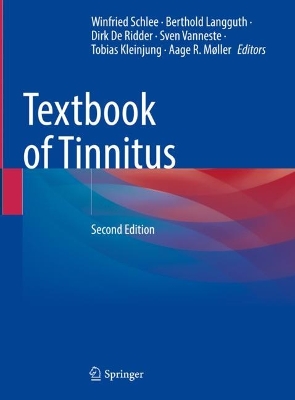
Textbook of Tinnitus
 portes grátis
Textbook of Tinnitus
Langguth, Berthold; Moller, Aage R.; De Ridder, Dirk; Schlee, Winfried; Kleinjung, Tobias; Vanneste, Sven
Springer International Publishing AG
03/2024
800
Dura
Inglês
9783031356469
15 a 20 dias
Descrição não disponível.
Part 1. Basics about Tinnitus.- 1. History of tinnitus.- 2. Tinnitus, Tinnitus disorder and other phantom perceptions.- 3. Hypersensitivity to sounds.- 4. Epidemiology of Tinnitus: frequency of the condition.- 5. Genetic contribution to tinnitus and tinnitus disorder.- 6.- Environmental and occupational risk factors for tinnitus.- 7. Tinnitus heterogeneity, different types of tinnitus, and gender aspects.- 8. Similarities Between Tinnitus and Pain.- Part 2. Neurobiology of tinnitus.- 9. Anatomy and Physiology of the Auditory System.- 10. Cochlear Changes after Noise Trauma.- 11. Molecular Biology of the Central Auditory System and Tinnitus.- 12. Tinnitus and the somatosensory system.- 13. The Role of Auditory Deprivation.- 14. Neuroplasticity of the auditory system.- 15. Structural and functional MRI based neuroimaging in tinnitus.- 16. The electrophysiological explorations in tinnitus over the decades using EEG and MEG.- Part 3. Pathophysiological Models.- 17. The Bayesian brain and tinnitus.- 18. Central gain model for tinnitus: A review on noise-induced plasticity or When less at the periphery is more in the center.- 19. The Frontostriatal Gating Model of Tinnitus.- 20. The Neurophysiological Model of Tinnitus and Decreased Sound Tolerance.- 21. Psychological models of tinnitus.- 22. Neuroinflammation Model of Tinnitus.- Part 4. Animal research for tinnitus.- 23. Animal Models of Hyperacusis: Neural Hyperactivity in Auditory, Emotional, Arousal, Memory and Motor Networks.- 24. Translating animal findings to humans in tinnitus research.- Part 5. Diagnosis and Assessment. 25. Diagnosis and Flowchart.- 26. Tinnitus History Taking. 27. Tinnitus Questionnaires.- 28. Clinical otorhinolaryngological assessment.- 29. Audiological Assessment for Tinnitus.- 30. Clinical neuroimaging in the evaluation of tinnitus.- 31. Clinical Assessment of the Somatosensory System.- Part 6. Management of specific forms of tinnitus. 32. Conductive and sensorineural hearing loss.-33. Meniere's Disease, a set of rare disorders with tinnitus.- 34. Tinnitus and vestibular schwannoma.- 35. Microvascular compression of the vestibulocochlear nerve.- 36. Tinnitus and Cerebrovascular Diseases.- 37. Cervical and masticatory somatosensory system.- 38. Trauma-associated tinnitus.- 39. Tinnitus in children and adolescents.- 40. Pulsatile tinnitus.- 41. Hyperacusis and tinnitus.- 42. Tinnitus and psychiatric co-morbidity. PART VII. Tinnitus management.- 43. Tinnitus Counselling and Psychoeducation.- 44. CBT for tinnitus.- 45. Mindfulness and Tinnitus.- 46.- Auditory treatments of tinnitus.- 47. Tinnitus Retraining Therapy.- 48. Tinnitus Pharmacotherapy.- 49. Tinnitus Activities Treatment.- Part 7. Additional approaches of tinnitus treatments. 50. Neural Therapy, Botulinum Toxin.- 51. Neurofeedback.- 52. Non-invasive brain stimulation.- 53. Invasive brain stimulation. 54. Bimodal stimulation for the treatment of tinnitus.- 55. Complementary and alternative therapies.- 56. Public and patient involvement in tinnitus research.- 57. Mobile Health Solutions for Tinnitus.- 59. Tinnitus treatment: evidence and guidelines.- PART IX. Future directions.- 60. The Future of tinnitus research: "In Science we trust, in Crazy we believe".
Este título pertence ao(s) assunto(s) indicados(s). Para ver outros títulos clique no assunto desejado.
Tinnitus;Auditory system;Continuous tinnitus;Hearing;Hyperacusis;Intermittent tinnitus;noise trauma;Pulsatile tinnitus;Hypersensitivity;neural therapy;brain stimulation;bimodal stimulation;Meniere's disease;conductive hearing loss;sensorineural hearing loss
Part 1. Basics about Tinnitus.- 1. History of tinnitus.- 2. Tinnitus, Tinnitus disorder and other phantom perceptions.- 3. Hypersensitivity to sounds.- 4. Epidemiology of Tinnitus: frequency of the condition.- 5. Genetic contribution to tinnitus and tinnitus disorder.- 6.- Environmental and occupational risk factors for tinnitus.- 7. Tinnitus heterogeneity, different types of tinnitus, and gender aspects.- 8. Similarities Between Tinnitus and Pain.- Part 2. Neurobiology of tinnitus.- 9. Anatomy and Physiology of the Auditory System.- 10. Cochlear Changes after Noise Trauma.- 11. Molecular Biology of the Central Auditory System and Tinnitus.- 12. Tinnitus and the somatosensory system.- 13. The Role of Auditory Deprivation.- 14. Neuroplasticity of the auditory system.- 15. Structural and functional MRI based neuroimaging in tinnitus.- 16. The electrophysiological explorations in tinnitus over the decades using EEG and MEG.- Part 3. Pathophysiological Models.- 17. The Bayesian brain and tinnitus.- 18. Central gain model for tinnitus: A review on noise-induced plasticity or When less at the periphery is more in the center.- 19. The Frontostriatal Gating Model of Tinnitus.- 20. The Neurophysiological Model of Tinnitus and Decreased Sound Tolerance.- 21. Psychological models of tinnitus.- 22. Neuroinflammation Model of Tinnitus.- Part 4. Animal research for tinnitus.- 23. Animal Models of Hyperacusis: Neural Hyperactivity in Auditory, Emotional, Arousal, Memory and Motor Networks.- 24. Translating animal findings to humans in tinnitus research.- Part 5. Diagnosis and Assessment. 25. Diagnosis and Flowchart.- 26. Tinnitus History Taking. 27. Tinnitus Questionnaires.- 28. Clinical otorhinolaryngological assessment.- 29. Audiological Assessment for Tinnitus.- 30. Clinical neuroimaging in the evaluation of tinnitus.- 31. Clinical Assessment of the Somatosensory System.- Part 6. Management of specific forms of tinnitus. 32. Conductive and sensorineural hearing loss.-33. Meniere's Disease, a set of rare disorders with tinnitus.- 34. Tinnitus and vestibular schwannoma.- 35. Microvascular compression of the vestibulocochlear nerve.- 36. Tinnitus and Cerebrovascular Diseases.- 37. Cervical and masticatory somatosensory system.- 38. Trauma-associated tinnitus.- 39. Tinnitus in children and adolescents.- 40. Pulsatile tinnitus.- 41. Hyperacusis and tinnitus.- 42. Tinnitus and psychiatric co-morbidity. PART VII. Tinnitus management.- 43. Tinnitus Counselling and Psychoeducation.- 44. CBT for tinnitus.- 45. Mindfulness and Tinnitus.- 46.- Auditory treatments of tinnitus.- 47. Tinnitus Retraining Therapy.- 48. Tinnitus Pharmacotherapy.- 49. Tinnitus Activities Treatment.- Part 7. Additional approaches of tinnitus treatments. 50. Neural Therapy, Botulinum Toxin.- 51. Neurofeedback.- 52. Non-invasive brain stimulation.- 53. Invasive brain stimulation. 54. Bimodal stimulation for the treatment of tinnitus.- 55. Complementary and alternative therapies.- 56. Public and patient involvement in tinnitus research.- 57. Mobile Health Solutions for Tinnitus.- 59. Tinnitus treatment: evidence and guidelines.- PART IX. Future directions.- 60. The Future of tinnitus research: "In Science we trust, in Crazy we believe".
Este título pertence ao(s) assunto(s) indicados(s). Para ver outros títulos clique no assunto desejado.