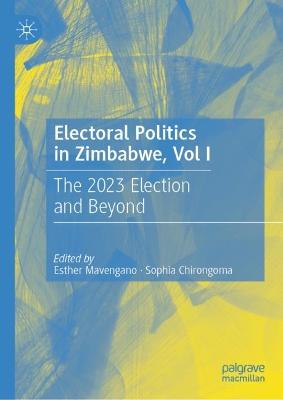
Electoral Politics in Zimbabwe, Vol II
 portes grátis
Electoral Politics in Zimbabwe, Vol II
The 2023 Election and Beyond
Chirongoma, Sophia; Mavengano, Esther
Springer International Publishing AG
08/2023
433
Dura
Inglês
9783031337956
15 a 20 dias
Descrição não disponível.
Chapter 1. Introduction: The Nexus Between Gender, Religion and the Media in Zimbabwean Electoral politics.- Section A: Gender and electoral politics in Zimbabwe. Chapter 2. Electoral Participation as a fundamental right for women with disabilities in Zimbabwe.- Chapter 3. Unpacking the issue of gender and electoral violence in Christopher Mlalazi's They Are Coming.- Chapter 4. Shona Women and Grassroots Politics in Zimbabwe: Prospects for the 2023 General Elections.- Chapter 5. Critical thinking, Gender and Electoral politics in Zimbabwe.- Chapter 6. Of pains, regrets and suppressed desires: Gendered Politics and Women Activism in Zimbabwean Electoral Politics.- Chapter 7. Rhetoric or reality? Assessing the efficacy of Policy and legislative interventions in enhancing women political participation in Zimbabwe.- Chapter 8.Post-independence election violence: Re-thinking the marginalisation of Women in Zimbabwean politics.- Chapter 9. Voter Rights and Gender: An Analysis of theImportance of Voter Education in Zimbabwe. Section B: Media and electoral politics in Zimbabwe. Chapter 10. Pollytricking or political contestation? The digital space as alternative public sphere in the run up to the 2023 public election in Zimbabwe.- Chapter 11. Zimbabwean Press and electoral violence: a framing analysis of the March 2022 by-elections.- Chapter 12. Melancholia and polysemanticism in Winky D's sonic retentions: Subverting expressive barricades and voicing the electoral process through performance.- Chapter 13. The morbidity of Zimbabwe's transformational politics: Hope or doom in the post-coup era?.- Chapter 14. The rhetoric of Onoma and the intersection of memory and power dynamics in naming and name-calling in Zimbabwe's electoral politics.- Chapter 15. The Effectiveness of social media in mitigating unfair Mainstream media electoral coverage in Zimbabwe.- Section C: Traditional Leaders and electoral politics in Zimbabwe. Chapter 16. Traditional leadersas vote brokers and king makers in Zimbabwe's Elections.- Chapter 17.The institution of Traditional leadership and partisan politics in Zimbabwe.- Chapter 18. The Role of Traditional Leaders and Culture in Zimbabwean Elections.- Chapter 19. A critique of the responsibility of traditional leaders in the electoral process: A Zimbabwean experience.- Chapter 20. Abusing the traditional sceptre: Chiefs and electoral collusion in Zimbabwe.- Chapter 21. Traditional Leaders, Electoral Politics and Impregnability of the Rural Constituency in Zimbabwe.
Este título pertence ao(s) assunto(s) indicados(s). Para ver outros títulos clique no assunto desejado.
Politics in Zimbabwe;Elections in Zimbabwe;Discourse analysis;Media and politics;Language and politics;Human rights
Chapter 1. Introduction: The Nexus Between Gender, Religion and the Media in Zimbabwean Electoral politics.- Section A: Gender and electoral politics in Zimbabwe. Chapter 2. Electoral Participation as a fundamental right for women with disabilities in Zimbabwe.- Chapter 3. Unpacking the issue of gender and electoral violence in Christopher Mlalazi's They Are Coming.- Chapter 4. Shona Women and Grassroots Politics in Zimbabwe: Prospects for the 2023 General Elections.- Chapter 5. Critical thinking, Gender and Electoral politics in Zimbabwe.- Chapter 6. Of pains, regrets and suppressed desires: Gendered Politics and Women Activism in Zimbabwean Electoral Politics.- Chapter 7. Rhetoric or reality? Assessing the efficacy of Policy and legislative interventions in enhancing women political participation in Zimbabwe.- Chapter 8.Post-independence election violence: Re-thinking the marginalisation of Women in Zimbabwean politics.- Chapter 9. Voter Rights and Gender: An Analysis of theImportance of Voter Education in Zimbabwe. Section B: Media and electoral politics in Zimbabwe. Chapter 10. Pollytricking or political contestation? The digital space as alternative public sphere in the run up to the 2023 public election in Zimbabwe.- Chapter 11. Zimbabwean Press and electoral violence: a framing analysis of the March 2022 by-elections.- Chapter 12. Melancholia and polysemanticism in Winky D's sonic retentions: Subverting expressive barricades and voicing the electoral process through performance.- Chapter 13. The morbidity of Zimbabwe's transformational politics: Hope or doom in the post-coup era?.- Chapter 14. The rhetoric of Onoma and the intersection of memory and power dynamics in naming and name-calling in Zimbabwe's electoral politics.- Chapter 15. The Effectiveness of social media in mitigating unfair Mainstream media electoral coverage in Zimbabwe.- Section C: Traditional Leaders and electoral politics in Zimbabwe. Chapter 16. Traditional leadersas vote brokers and king makers in Zimbabwe's Elections.- Chapter 17.The institution of Traditional leadership and partisan politics in Zimbabwe.- Chapter 18. The Role of Traditional Leaders and Culture in Zimbabwean Elections.- Chapter 19. A critique of the responsibility of traditional leaders in the electoral process: A Zimbabwean experience.- Chapter 20. Abusing the traditional sceptre: Chiefs and electoral collusion in Zimbabwe.- Chapter 21. Traditional Leaders, Electoral Politics and Impregnability of the Rural Constituency in Zimbabwe.
Este título pertence ao(s) assunto(s) indicados(s). Para ver outros títulos clique no assunto desejado.