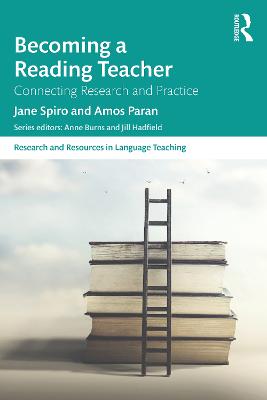
Becoming a Reading Teacher
 portes grátis
Becoming a Reading Teacher
Connecting Research and Practice
Paran, Amos; Spiro, Jane
Taylor & Francis Ltd
04/2023
212
Dura
Inglês
9781032405261
15 a 20 dias
Descrição não disponível.
List of Tables
List of Abbreviations
Series Editors Preface
Introduction
Becoming a reading teacher
Why should a teacher of reading engage with research?
Ten questions about reading
What this book is not
What this book is
PART ONE From research to implications
A Framing reading as linguistic process
Question 1: What are we doing when we read?
Question 2: What are the different reasons and ways people read?
Question 3: What knowledge do we bring to our reading?
Question 4: What is the relationship between L1 and L2 reading?
B Framing reading as personal experience
Question 5: Why and how do people read for pleasure?
Question 6: Can reading change the way we think and feel?
C Framing reading as collective experience
Question 7: How far and in what ways is reading a collective act?
D Framing reading as pedagogy
Question 8: What pedagogies are used in the teaching of reading?
Question 9: How should teachers of reading teach language?
Question 10: What does it mean to be an effective teacher of reading?
Our beliefs and principles
PART TWO From implications to application
A Teaching reading as linguistic process
Question 1: What are we doing when we read?
Activity 1.1 All in one: the shape of words
Activity 1.2 Word chain race
Activity 1.3 Learner generated word race
Activity 1.4 Run-on sentences: seeing and hearing sentence boundaries
Activity 1.5 Text shopping: what's next in the text?
Activity 1.6 Reading aloud and holistic reading
Activity 1.7 Storytelling: stories without barriers
Question 2 What are the different reasons and ways people read?
Activity 2.1 Reading the landscape: noticing and acting in the linguistic landscape
Activity 2.2 Bits and pieces: choosing your favourite bits in a longer text
Activity 2.3 Wikipedia race: searching for something specific
Activity 2.4 Information slant: separating facts and opinions
Activity 2.5 Why I read: personal reading behaviours
Question 3 What knowledge do we bring to our reading?
Activity 3.1 Rhyme race: reading and sounds
Activity 3.2 Word bags: knowing about words
Activity 3.3 Language detectives: reading and language patterns
Activity 3.4 Text guessing: reading and text types
Activity 3.5 Reading between the lines: reading for nuance
Activity 3.6 Border crossing: reading culturally
Question 4 What is the relationship between L1 and L2 reading?
Activity 4.1 Book covers crossing borders
Activity 4.2 Text memory game
Activity 4.3 First language story sharing
Activity 4.4 Talking to the author: asking questions about a text
Activity 4.5 Comprehending across languages
B Teaching reading as personal experience
Question 5 When and how do people read for pleasure?
Activity 5.1 Feeling stories
Activity 5.2 The dream book competition: understanding reading preferences
Activity 5.3 Reading spurs and blocks
Activity 5.4 Profiles of lifelong readers
Question 6 Can reading change the way we think and feel?
Activity 6.1 Nobel Prize champions: books which changed the way we think
Activity 6.2 Re-reading over time: returning to childhood stories
Activity 6.3 Reading in layers
Activity 6.4 Personal reading histories
C Teaching reading as collective experience
Question 7 How far and in what ways is reading a collective act?
Activity 7.1 Performing reading
Activity 7.2 Dream circles: building reading circles
Activity 7.3 Choosing together
Activity 7.4 Reading shaping the child
D Teaching and training reading pedagogy
Question 8 What pedagogies are used in the teaching of reading?
Activity 8.1 Communicating with texts
Activity 8.2 Text activities: interacting with texts
Activity 8.3 Task-based reading and the real world
Activity 8.4 Activity detective: mining for principles
Question 9 How should teachers of reading teach language?
Activity 9.1 Genre-bending: unravelling text types
Activity 9.2 Language doctor: unravelling a text
Question 10 What does it mean to be an effective teacher of reading?
Activity 10.1 Finding a star teacher 1: criteria for stardom
Activity 10.2 Finding a star teacher 2: Asking questions
Activity 10.3 Star teacher of reading competition
Activity 10.4 Walking into the shoes of star teachers
PART THREE From application to implementation
A Becoming a reading teacher: connecting with others
B Becoming a reading teacher: know yourself as a reader
C Building reading resources
D Building a reading assessment strategy
E Reading for many kinds of learners
F Reading for different kinds of classes
G Reading outside the classroom
H Creating a reading culture
I Conclusion
PART FOUR From implementation to research
Introduction: researching as a teacher
A Researching reading as linguistic process
Research Idea 1: How does cultural knowledge help us read a text?
Research Idea 2: What are the differences in the way learners process LI and L2 texts?
Research Idea 3: Does translanguaging help reading in the L2?
Research Idea 4: How many words do my learners need to understand for a text to be readable?
B Researching reading as personal experience
Research Idea 5: What makes readers choose books?
Research Idea 6: What are the triggers for reading enjoyment in my own reading life?
C Researching reading as collective experience
Research Idea 7: Do reading communities make a difference to my learners?
Research Idea 8: How do my learners interact in self-run reading groups?
D Researching reading pedagogy
Research Idea 9 What kind of questions do I use in the reading classroom?
Research Idea 10 What are the qualities of successful reading lessons?
Final reflections: the virtuous circle
Reference List
Index
List of Abbreviations
Series Editors Preface
Introduction
Becoming a reading teacher
Why should a teacher of reading engage with research?
Ten questions about reading
What this book is not
What this book is
PART ONE From research to implications
A Framing reading as linguistic process
Question 1: What are we doing when we read?
Question 2: What are the different reasons and ways people read?
Question 3: What knowledge do we bring to our reading?
Question 4: What is the relationship between L1 and L2 reading?
B Framing reading as personal experience
Question 5: Why and how do people read for pleasure?
Question 6: Can reading change the way we think and feel?
C Framing reading as collective experience
Question 7: How far and in what ways is reading a collective act?
D Framing reading as pedagogy
Question 8: What pedagogies are used in the teaching of reading?
Question 9: How should teachers of reading teach language?
Question 10: What does it mean to be an effective teacher of reading?
Our beliefs and principles
PART TWO From implications to application
A Teaching reading as linguistic process
Question 1: What are we doing when we read?
Activity 1.1 All in one: the shape of words
Activity 1.2 Word chain race
Activity 1.3 Learner generated word race
Activity 1.4 Run-on sentences: seeing and hearing sentence boundaries
Activity 1.5 Text shopping: what's next in the text?
Activity 1.6 Reading aloud and holistic reading
Activity 1.7 Storytelling: stories without barriers
Question 2 What are the different reasons and ways people read?
Activity 2.1 Reading the landscape: noticing and acting in the linguistic landscape
Activity 2.2 Bits and pieces: choosing your favourite bits in a longer text
Activity 2.3 Wikipedia race: searching for something specific
Activity 2.4 Information slant: separating facts and opinions
Activity 2.5 Why I read: personal reading behaviours
Question 3 What knowledge do we bring to our reading?
Activity 3.1 Rhyme race: reading and sounds
Activity 3.2 Word bags: knowing about words
Activity 3.3 Language detectives: reading and language patterns
Activity 3.4 Text guessing: reading and text types
Activity 3.5 Reading between the lines: reading for nuance
Activity 3.6 Border crossing: reading culturally
Question 4 What is the relationship between L1 and L2 reading?
Activity 4.1 Book covers crossing borders
Activity 4.2 Text memory game
Activity 4.3 First language story sharing
Activity 4.4 Talking to the author: asking questions about a text
Activity 4.5 Comprehending across languages
B Teaching reading as personal experience
Question 5 When and how do people read for pleasure?
Activity 5.1 Feeling stories
Activity 5.2 The dream book competition: understanding reading preferences
Activity 5.3 Reading spurs and blocks
Activity 5.4 Profiles of lifelong readers
Question 6 Can reading change the way we think and feel?
Activity 6.1 Nobel Prize champions: books which changed the way we think
Activity 6.2 Re-reading over time: returning to childhood stories
Activity 6.3 Reading in layers
Activity 6.4 Personal reading histories
C Teaching reading as collective experience
Question 7 How far and in what ways is reading a collective act?
Activity 7.1 Performing reading
Activity 7.2 Dream circles: building reading circles
Activity 7.3 Choosing together
Activity 7.4 Reading shaping the child
D Teaching and training reading pedagogy
Question 8 What pedagogies are used in the teaching of reading?
Activity 8.1 Communicating with texts
Activity 8.2 Text activities: interacting with texts
Activity 8.3 Task-based reading and the real world
Activity 8.4 Activity detective: mining for principles
Question 9 How should teachers of reading teach language?
Activity 9.1 Genre-bending: unravelling text types
Activity 9.2 Language doctor: unravelling a text
Question 10 What does it mean to be an effective teacher of reading?
Activity 10.1 Finding a star teacher 1: criteria for stardom
Activity 10.2 Finding a star teacher 2: Asking questions
Activity 10.3 Star teacher of reading competition
Activity 10.4 Walking into the shoes of star teachers
PART THREE From application to implementation
A Becoming a reading teacher: connecting with others
B Becoming a reading teacher: know yourself as a reader
C Building reading resources
D Building a reading assessment strategy
E Reading for many kinds of learners
F Reading for different kinds of classes
G Reading outside the classroom
H Creating a reading culture
I Conclusion
PART FOUR From implementation to research
Introduction: researching as a teacher
A Researching reading as linguistic process
Research Idea 1: How does cultural knowledge help us read a text?
Research Idea 2: What are the differences in the way learners process LI and L2 texts?
Research Idea 3: Does translanguaging help reading in the L2?
Research Idea 4: How many words do my learners need to understand for a text to be readable?
B Researching reading as personal experience
Research Idea 5: What makes readers choose books?
Research Idea 6: What are the triggers for reading enjoyment in my own reading life?
C Researching reading as collective experience
Research Idea 7: Do reading communities make a difference to my learners?
Research Idea 8: How do my learners interact in self-run reading groups?
D Researching reading pedagogy
Research Idea 9 What kind of questions do I use in the reading classroom?
Research Idea 10 What are the qualities of successful reading lessons?
Final reflections: the virtuous circle
Reference List
Index
Este título pertence ao(s) assunto(s) indicados(s). Para ver outros títulos clique no assunto desejado.
literacy development;second language acquisition;reading pedagogy;classroom literacy strategies;cognitive reading processes;educational linguistics;evidence-based reading instruction
List of Tables
List of Abbreviations
Series Editors Preface
Introduction
Becoming a reading teacher
Why should a teacher of reading engage with research?
Ten questions about reading
What this book is not
What this book is
PART ONE From research to implications
A Framing reading as linguistic process
Question 1: What are we doing when we read?
Question 2: What are the different reasons and ways people read?
Question 3: What knowledge do we bring to our reading?
Question 4: What is the relationship between L1 and L2 reading?
B Framing reading as personal experience
Question 5: Why and how do people read for pleasure?
Question 6: Can reading change the way we think and feel?
C Framing reading as collective experience
Question 7: How far and in what ways is reading a collective act?
D Framing reading as pedagogy
Question 8: What pedagogies are used in the teaching of reading?
Question 9: How should teachers of reading teach language?
Question 10: What does it mean to be an effective teacher of reading?
Our beliefs and principles
PART TWO From implications to application
A Teaching reading as linguistic process
Question 1: What are we doing when we read?
Activity 1.1 All in one: the shape of words
Activity 1.2 Word chain race
Activity 1.3 Learner generated word race
Activity 1.4 Run-on sentences: seeing and hearing sentence boundaries
Activity 1.5 Text shopping: what's next in the text?
Activity 1.6 Reading aloud and holistic reading
Activity 1.7 Storytelling: stories without barriers
Question 2 What are the different reasons and ways people read?
Activity 2.1 Reading the landscape: noticing and acting in the linguistic landscape
Activity 2.2 Bits and pieces: choosing your favourite bits in a longer text
Activity 2.3 Wikipedia race: searching for something specific
Activity 2.4 Information slant: separating facts and opinions
Activity 2.5 Why I read: personal reading behaviours
Question 3 What knowledge do we bring to our reading?
Activity 3.1 Rhyme race: reading and sounds
Activity 3.2 Word bags: knowing about words
Activity 3.3 Language detectives: reading and language patterns
Activity 3.4 Text guessing: reading and text types
Activity 3.5 Reading between the lines: reading for nuance
Activity 3.6 Border crossing: reading culturally
Question 4 What is the relationship between L1 and L2 reading?
Activity 4.1 Book covers crossing borders
Activity 4.2 Text memory game
Activity 4.3 First language story sharing
Activity 4.4 Talking to the author: asking questions about a text
Activity 4.5 Comprehending across languages
B Teaching reading as personal experience
Question 5 When and how do people read for pleasure?
Activity 5.1 Feeling stories
Activity 5.2 The dream book competition: understanding reading preferences
Activity 5.3 Reading spurs and blocks
Activity 5.4 Profiles of lifelong readers
Question 6 Can reading change the way we think and feel?
Activity 6.1 Nobel Prize champions: books which changed the way we think
Activity 6.2 Re-reading over time: returning to childhood stories
Activity 6.3 Reading in layers
Activity 6.4 Personal reading histories
C Teaching reading as collective experience
Question 7 How far and in what ways is reading a collective act?
Activity 7.1 Performing reading
Activity 7.2 Dream circles: building reading circles
Activity 7.3 Choosing together
Activity 7.4 Reading shaping the child
D Teaching and training reading pedagogy
Question 8 What pedagogies are used in the teaching of reading?
Activity 8.1 Communicating with texts
Activity 8.2 Text activities: interacting with texts
Activity 8.3 Task-based reading and the real world
Activity 8.4 Activity detective: mining for principles
Question 9 How should teachers of reading teach language?
Activity 9.1 Genre-bending: unravelling text types
Activity 9.2 Language doctor: unravelling a text
Question 10 What does it mean to be an effective teacher of reading?
Activity 10.1 Finding a star teacher 1: criteria for stardom
Activity 10.2 Finding a star teacher 2: Asking questions
Activity 10.3 Star teacher of reading competition
Activity 10.4 Walking into the shoes of star teachers
PART THREE From application to implementation
A Becoming a reading teacher: connecting with others
B Becoming a reading teacher: know yourself as a reader
C Building reading resources
D Building a reading assessment strategy
E Reading for many kinds of learners
F Reading for different kinds of classes
G Reading outside the classroom
H Creating a reading culture
I Conclusion
PART FOUR From implementation to research
Introduction: researching as a teacher
A Researching reading as linguistic process
Research Idea 1: How does cultural knowledge help us read a text?
Research Idea 2: What are the differences in the way learners process LI and L2 texts?
Research Idea 3: Does translanguaging help reading in the L2?
Research Idea 4: How many words do my learners need to understand for a text to be readable?
B Researching reading as personal experience
Research Idea 5: What makes readers choose books?
Research Idea 6: What are the triggers for reading enjoyment in my own reading life?
C Researching reading as collective experience
Research Idea 7: Do reading communities make a difference to my learners?
Research Idea 8: How do my learners interact in self-run reading groups?
D Researching reading pedagogy
Research Idea 9 What kind of questions do I use in the reading classroom?
Research Idea 10 What are the qualities of successful reading lessons?
Final reflections: the virtuous circle
Reference List
Index
List of Abbreviations
Series Editors Preface
Introduction
Becoming a reading teacher
Why should a teacher of reading engage with research?
Ten questions about reading
What this book is not
What this book is
PART ONE From research to implications
A Framing reading as linguistic process
Question 1: What are we doing when we read?
Question 2: What are the different reasons and ways people read?
Question 3: What knowledge do we bring to our reading?
Question 4: What is the relationship between L1 and L2 reading?
B Framing reading as personal experience
Question 5: Why and how do people read for pleasure?
Question 6: Can reading change the way we think and feel?
C Framing reading as collective experience
Question 7: How far and in what ways is reading a collective act?
D Framing reading as pedagogy
Question 8: What pedagogies are used in the teaching of reading?
Question 9: How should teachers of reading teach language?
Question 10: What does it mean to be an effective teacher of reading?
Our beliefs and principles
PART TWO From implications to application
A Teaching reading as linguistic process
Question 1: What are we doing when we read?
Activity 1.1 All in one: the shape of words
Activity 1.2 Word chain race
Activity 1.3 Learner generated word race
Activity 1.4 Run-on sentences: seeing and hearing sentence boundaries
Activity 1.5 Text shopping: what's next in the text?
Activity 1.6 Reading aloud and holistic reading
Activity 1.7 Storytelling: stories without barriers
Question 2 What are the different reasons and ways people read?
Activity 2.1 Reading the landscape: noticing and acting in the linguistic landscape
Activity 2.2 Bits and pieces: choosing your favourite bits in a longer text
Activity 2.3 Wikipedia race: searching for something specific
Activity 2.4 Information slant: separating facts and opinions
Activity 2.5 Why I read: personal reading behaviours
Question 3 What knowledge do we bring to our reading?
Activity 3.1 Rhyme race: reading and sounds
Activity 3.2 Word bags: knowing about words
Activity 3.3 Language detectives: reading and language patterns
Activity 3.4 Text guessing: reading and text types
Activity 3.5 Reading between the lines: reading for nuance
Activity 3.6 Border crossing: reading culturally
Question 4 What is the relationship between L1 and L2 reading?
Activity 4.1 Book covers crossing borders
Activity 4.2 Text memory game
Activity 4.3 First language story sharing
Activity 4.4 Talking to the author: asking questions about a text
Activity 4.5 Comprehending across languages
B Teaching reading as personal experience
Question 5 When and how do people read for pleasure?
Activity 5.1 Feeling stories
Activity 5.2 The dream book competition: understanding reading preferences
Activity 5.3 Reading spurs and blocks
Activity 5.4 Profiles of lifelong readers
Question 6 Can reading change the way we think and feel?
Activity 6.1 Nobel Prize champions: books which changed the way we think
Activity 6.2 Re-reading over time: returning to childhood stories
Activity 6.3 Reading in layers
Activity 6.4 Personal reading histories
C Teaching reading as collective experience
Question 7 How far and in what ways is reading a collective act?
Activity 7.1 Performing reading
Activity 7.2 Dream circles: building reading circles
Activity 7.3 Choosing together
Activity 7.4 Reading shaping the child
D Teaching and training reading pedagogy
Question 8 What pedagogies are used in the teaching of reading?
Activity 8.1 Communicating with texts
Activity 8.2 Text activities: interacting with texts
Activity 8.3 Task-based reading and the real world
Activity 8.4 Activity detective: mining for principles
Question 9 How should teachers of reading teach language?
Activity 9.1 Genre-bending: unravelling text types
Activity 9.2 Language doctor: unravelling a text
Question 10 What does it mean to be an effective teacher of reading?
Activity 10.1 Finding a star teacher 1: criteria for stardom
Activity 10.2 Finding a star teacher 2: Asking questions
Activity 10.3 Star teacher of reading competition
Activity 10.4 Walking into the shoes of star teachers
PART THREE From application to implementation
A Becoming a reading teacher: connecting with others
B Becoming a reading teacher: know yourself as a reader
C Building reading resources
D Building a reading assessment strategy
E Reading for many kinds of learners
F Reading for different kinds of classes
G Reading outside the classroom
H Creating a reading culture
I Conclusion
PART FOUR From implementation to research
Introduction: researching as a teacher
A Researching reading as linguistic process
Research Idea 1: How does cultural knowledge help us read a text?
Research Idea 2: What are the differences in the way learners process LI and L2 texts?
Research Idea 3: Does translanguaging help reading in the L2?
Research Idea 4: How many words do my learners need to understand for a text to be readable?
B Researching reading as personal experience
Research Idea 5: What makes readers choose books?
Research Idea 6: What are the triggers for reading enjoyment in my own reading life?
C Researching reading as collective experience
Research Idea 7: Do reading communities make a difference to my learners?
Research Idea 8: How do my learners interact in self-run reading groups?
D Researching reading pedagogy
Research Idea 9 What kind of questions do I use in the reading classroom?
Research Idea 10 What are the qualities of successful reading lessons?
Final reflections: the virtuous circle
Reference List
Index
Este título pertence ao(s) assunto(s) indicados(s). Para ver outros títulos clique no assunto desejado.